By Mike Rwothomio
The Jadipu (Prime Minister) of the Alur Kingdom, Prince Lawrence Opar Angala, together with the Atyak Royal Council, on Saturday, 18 July 2026, formally initiated a mediated dialogue using Alternative Dispute Resolution (ADR) mechanisms to address a longstanding customary land conflict between two neighbouring families of the Palei clan in Jang Okoro Sub-county, Zombo District.
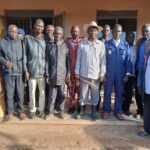
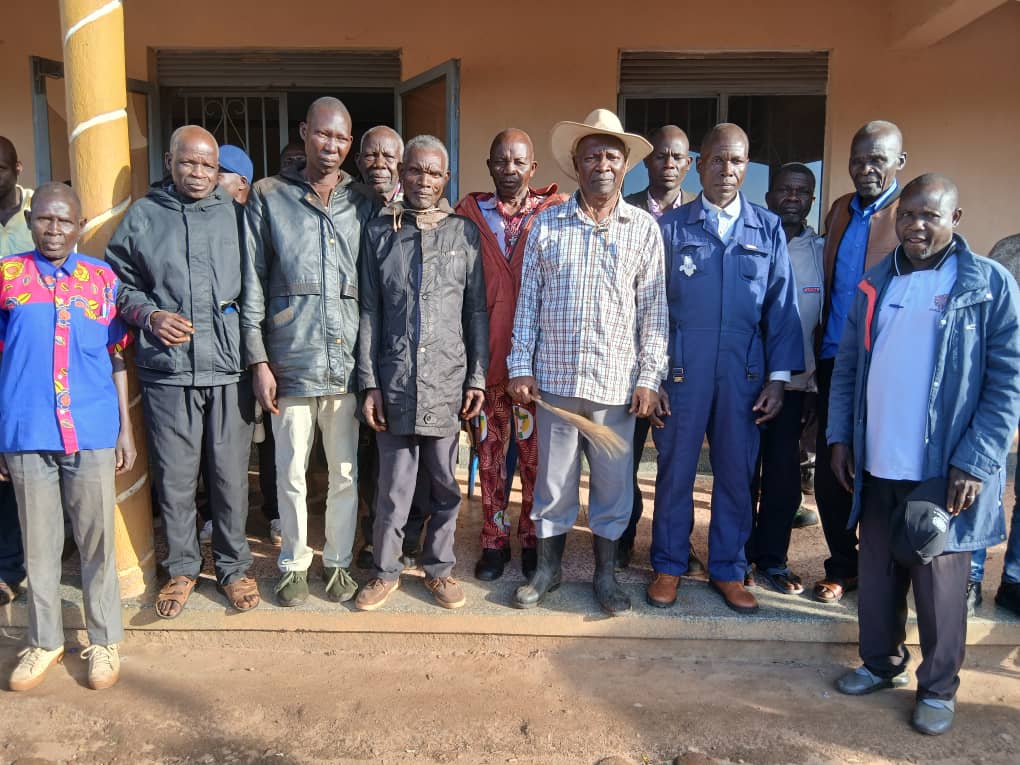
The primary disputing parties led by Mr. Agustino Owekmu on one side and Mzee Samuel Orwiny Masita, family head of the Lei Padea clan, on the other attended the initial mediation session at the Kingdom Prime Minister’s office in Yamu Trading Centre before proceeding to a meeting at Kingston Guest House in Yamo Trading Centre, Atyak Sub-County.
Local elders had previously attempted multiple interventions without success. The parties subsequently sought the Kingdom’s intervention through its established ADR framework, which has successfully facilitated resolution of several inter-clan and land-related conflicts in recent months.The contested land is situated in Amuda Village, Yada Parish, Jangokoro Sub-county, Zombo District.
According to a Kingdom communication, an earlier boundary inspection was conducted by the Jago of Padea Jupathure sub-clan and Alur Kingdom Coordinator in Padea Chiefdom, Claver Oboko Olotha, in collaboration with the LC1 Chairpersons of Amuda and Ayabu villages, area clan heads, the OC of Jangokoro Police Post, and the LCIII Chairperson of Jangokoro Sub-county.
The inspection, carried out at the request of Mzee Samuel Orwiny Masita and in the presence of neighbouring community members, determined that Mzee Masita was the legitimate owner of the land in question.
This determination was appealed by another family member, Jakernga Alex, who petitioned the Alur Kingdom to revisit the matter. Jakernga Alex contends that the approximately 60-acre parcel rightfully belongs to their extended family, including that of Mr. Agustino Owekmu.
He alleged that the opposing side had encroached on the land and refused to cooperate with the initial local mediation team.
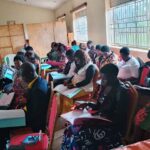
In the latest facilitated session convened by the Jadipu with support from selected Ker Alur chiefs and Atyak Royal Council members, Mzee Samuel Orwiny Masita maintained that he is claiming only six acres, the specific portion containing his family homestead, which he inherited from his late father, Masita.
Following constructive discussions, Jadipu Prince Lawrence Opar Angala appointed a four-member inspection team, headed by the Chairman of the Royal Council, Mr. Uluba John. The team has been tasked with submitting a comprehensive inspection report within two weeks.
This report will serve as the foundation for the final mediated settlement under the Alur Kingdom’s ADR framework, operating as an Alternative Justice System (AJS) in line with Ugandan law.
The Prime Minister allocated sufficient time for both parties to fully present their grievances. He commended the disputants for demonstrating trust in the Alur Traditional Justice System and its ADR mechanisms.
Prince Opar emphasised that parties dissatisfied with the Kingdom’s mediated outcome remain free to seek recourse through the formal Court of Law.
The mediation involved direct dialogue between petitioner Jakernga Alex and respondent Mzee Samuel Orwiny Masita, alongside members of neighbouring communities, Atyak Royal Council members, and chiefs.
The Alur Kingdom Prime Minister’s office in Yamu has seen increased demand from subjects across the Kingdom seeking redress for land conflicts through ADR. The Kingdom continues to encourage parties to first refer customary land disputes to clan elders and chiefdom structures for mediation and reconciliation before resorting to adversarial court processes, which are often costly and protracted.
Prince Opar has assured subjects that the Kingdom will soon engage judiciary-approved legal practitioners to train its personnel in the effective implementation and promotion of ADR mechanisms.
This approach is grounded in Article 126(2)(d) and (e) of the 1995 Constitution of Uganda, which mandates courts to promote reconciliation and the use of mediation and arbitration.
The Alur Kingdom’s proactive use of ADR comes amid a national surge in land conflicts. The 2025 Uganda Police Annual Crime Report, released on 30 March 2026, recorded a 67% increase in land-related crimes compared to 2024. Northern Uganda accounted for 33% of cases, with boundary disputes (46%), family land wrangles (30%), and land grabbing (22%) being the most common.
In Zombo District, such conflicts remain prevalent in sub-counties including Nyapea, Jangokoro, Paidha, and Atyak, largely due to complexities within the customary land tenure system. Similar challenges persist in neighbouring Nebbi District.
His Majesty the Alur King, Ubimu Phillip Rauni Ularker III, has consistently urged subjects to reject land conflicts that “lead to pouring of blood,” calling instead for peaceful resolution and productive use of land to alleviate poverty.
Customary land, which constitutes approximately 68.6% of Uganda’s total land area, is governed by ancestral norms, oral traditions, and validation by traditional leaders.
The Kingdom’s initiative aligns with national judicial policy. The Chief Justice of Uganda, Dr. Flavian Zeija, recently directed judicial officers to adopt a “Mediation First Approach,” including mandatory consideration of mediation, a 28-day resolution target, and a shift toward a mediation-oriented mindset.
Prince Opar expressed confidence that widespread adoption of ADR will yield cost savings, greater efficiency, flexibility, and the preservation of relationships and peaceful coexistence among the Kingdom’s subjects.